
Why Lab Training Programs Fall Apart
Most labs don’t realize how much time and money they lose to weak training programs. Training often turns into a scramble: missed sessions, outdated methods, and poor record-keeping make lab compliance harder than it should be. Fix this, and you get a streamlined, compliant lab that’s audit-ready.
Here’s how to build a lab training program that’s efficient, easy to track, and built to last.
Step 1: Identify Core Skills and Compliance Needs
Why This Matters
Each lab has unique compliance and training requirements. Regulatory standards, team size, and lab processes affect your program’s structure. Trying to cover everything wastes time. Missing the essentials leaves gaps in compliance. According to the FDA’s Quality Systems Training Guidelines, training should target specific job functions and compliance needs.
Actionable Tips
- List the critical skills and compliance requirements for each team role.
- Consult industry regulations (FDA, CDC, etc.) to identify mandatory training for lab compliance.
- Get input from your team. Find out where training gaps affect their accuracy and safety.
- Step 2: Set Up a Training Schedule and System
Why This Matters
Consistency is everything in lab compliance. Training without a set schedule is like playing catch-up forever. Labs need a structured plan to keep everyone on track and audit-ready.
Actionable Tips
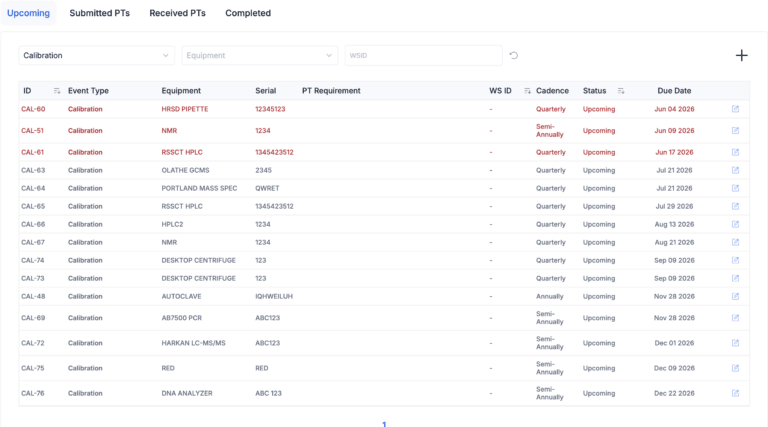
- Create a lab training calendar that covers onboarding, annual certifications, and refresher courses.Automate training reminders for upcoming sessions or certification renewals. An automated tool saves time and prevents missed deadlines.
- Keep it simple. Give each team member access to the training calendar and assign them their dates to ensure everyone stays on track.
Step 3: Track and Document Every Training Session
Why This Matters
Documentation isn’t optional. Labs need clear, accessible training records for audits. The FDA and other regulatory bodies demand proof that each team member has completed necessary training. Documentation keeps you audit-ready.
Actionable Tips
- Log each completed training session—date, trainer, attendees, and topics. A shared spreadsheet works if you’re just getting started.Track certifications and expiration dates to stay compliant and prepared for audits.
- Keep everything in one place for easy access. If compliance questions arise, you’ll have proof that all required training is up-to-date.
Step 4: Avoid Common Training Pitfalls
Why This Matters
Labs lose time and face compliance risks by making avoidable mistakes in training programs. Knowing the common pitfalls helps you create a more effective, compliant training program.
Actionable Tips
- Schedule regular refreshers. Labs change fast, and refresher training keeps your team compliant with current practices.Plan training ahead of need. Don’t wait until a team member needs training to schedule it. Build out each role’s training path for the entire year.Cross-train team members. Avoid single points of failure in training.
- Make sure multiple people are trained to lead key training sessions.
Step 5: Tips for Continuous Training Improvement
Why This Matters
A lab training program isn’t a one-and-done project. To keep it effective and compliant, it needs regular improvement based on feedback, regulatory changes, and lab practices.
Actionable Tips
- Gather feedback after every session. A quick survey or conversation works.
- Ask what’s effective, what’s missing, and where team members see room for improvement.Review and update the program regularly. Quarterly or biannual reviews keep your training aligned with current regulations and lab standards.Invest in train-the-trainer sessions to keep training leaders skilled, effective, and knowledgeable on the latest requirements.
Conclusion: Build a Compliance-Ready Lab Training Program
Building a compliant, reliable lab training program takes upfront work but saves time, money, and stress in the long run. A structured training program keeps your lab compliant, efficient, and audit-ready. Set up a clear training plan, track every session, and keep improving.
A bulletproof training program will help your lab stay compliant, efficient, and audit-ready—every time.