
Compliance and Admin Work Are Draining Labs
Labs everywhere face the same issues. Compliance takes hours each week. Asset management and documentation are a nightmare. Too much time is wasted on tasks that could be automated, and it’s holding labs back.
- 42% of lab workers spend 5+ hours a week on admin tasks, validation workflows, and compliance.
- 69% are managing all of this manually.
The big picture: If labs could reduce this workload, productivity would go up, costs would go down, and compliance would become way easier.
Here’s how to eliminate compliance bottlenecks and bring your lab into the digital age.
1. Stop Relying on Manual Documentation
Problem
Manual documentation eats time and leads to errors. Almost 70% of labs are still logging everything by hand. That’s a huge opportunity cost.
Solution
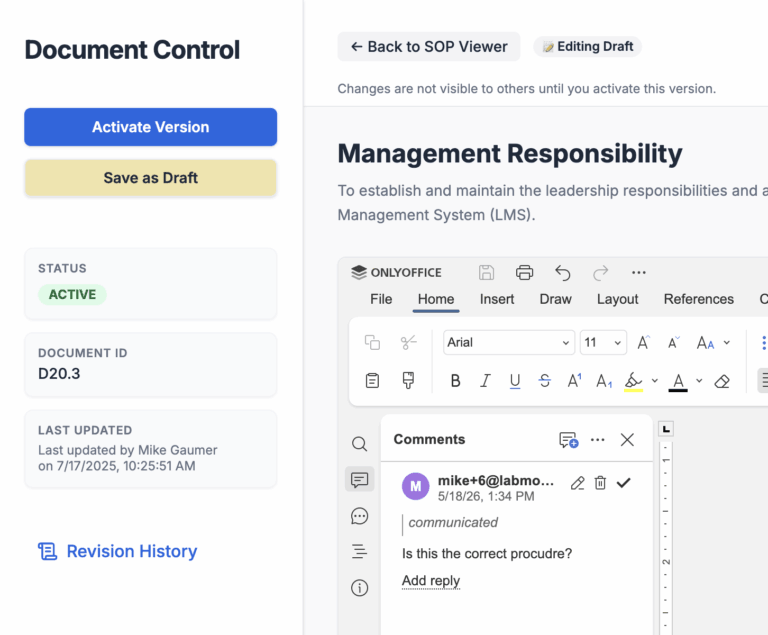
Automate documentation. A digital system tracks, updates, and organizes everything in one place. Your team spends less time on paperwork and more time on work that matters.
2. Centralize Your Asset Data
Problem
Labs struggle to manage asset data, including locations, maintenance schedules, and usage stats. Most labs can’t quickly access information on asset performance, service history, or cost, which slows down decision-making.
Solution
Centralized asset management software fixes this. It makes your entire asset inventory visible and manageable in one place. When you know what each asset is doing, you get a clear picture of productivity and cost.
3. Automate Compliance Protocols
Problem
Without streamlined compliance workflows, labs lose hours every week to validation and audit prep. This time drain reduces productivity and increases stress before audits.
Solution
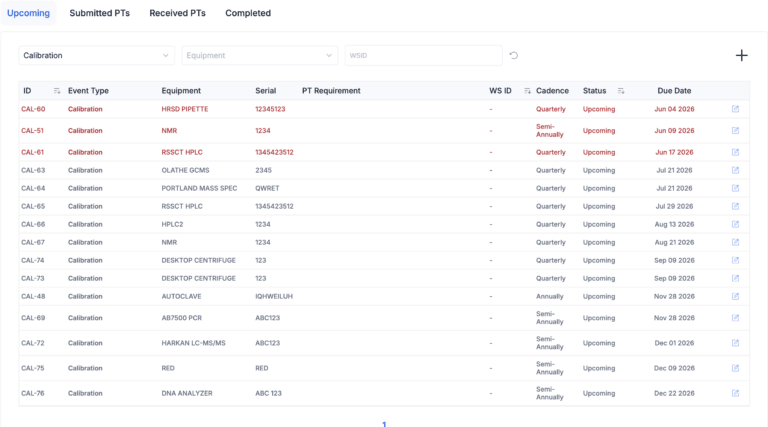
Set up automated compliance workflows to handle documentation, record-keeping, and audit preparation. A compliance management tool can remind you of upcoming tasks, record every step, and give you easy access to audit-ready documentation anytime.
4. Invest in Quality Control Automation
Problem
Quality control is essential, but it’s also a time-sink. Labs are dedicating 3-4 hours each week to QC, and most of that work is still done manually.
Solution
Automated quality control tools reduce the time and error rate of QC processes. They make it easier to meet regulatory standards and keep everything running smoothly without spending hours each week on it.
5. Make Data-Driven Decisions to Increase Efficiency
Problem
Labs with manual processes have limited data on productivity, asset use, and training gaps. When you’re short on data, decisions aren’t based on a full view of your lab’s performance.
Solution
With automated asset and compliance tracking, you can finally make data-driven decisions. You’ll see exactly where bottlenecks are and where processes can improve, helping you manage the lab proactively instead of reactively.
Closing: Automation is the Key to a Compliant, Productive Lab
Lab compliance and asset management don’t need to eat up valuable time. Automating these tasks reduces bottlenecks, improves data visibility, and keeps you audit-ready. By streamlining compliance protocols and managing data more effectively, you can run a more efficient lab that’s focused on science—not paperwork.